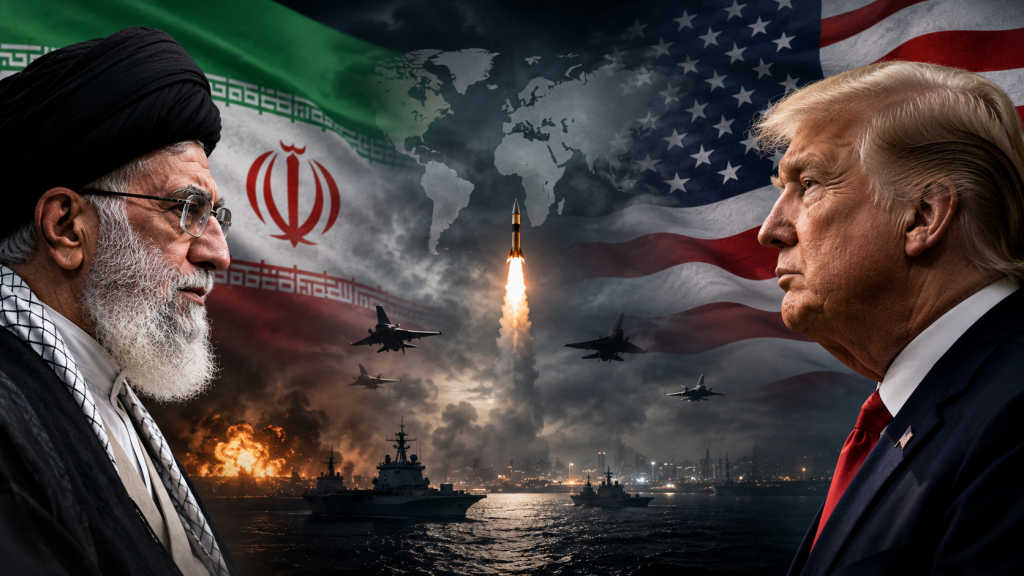
The relationship between Iran and the United States has remained one of the most important and complex geopolitical issues in modern global politics. Over the decades, tensions between the two countries have influenced international diplomacy, global energy markets, Middle East stability, military strategies, and economic systems worldwide.
The topic of Iran-US conflict continues attracting global attention because any escalation between the two nations can affect:
- International oil prices
- Global trade routes
- Financial markets
- Regional security
- Diplomatic alliances
Recent developments have once again increased international concern regarding military tensions, strategic negotiations, and geopolitical instability in the Middle East. Reports indicate renewed military activity alongside ongoing diplomatic discussions aimed at reducing conflict and stabilizing the region.
The Iran-US relationship is not simply a bilateral dispute. It represents a broader struggle involving:
- Nuclear negotiations
- Regional influence
- Military power
- Energy security
- International diplomacy
As the Middle East remains strategically important for global energy supply and trade, tensions between Iran and the United States continue influencing world politics and economic stability.
Historical Background of Iran-US Relations
The relationship between Iran and the United States has experienced major changes over the last several decades.
Before the Iranian Revolution of 1979, both countries maintained relatively strong diplomatic ties. However, after the revolution and the hostage crisis involving the US embassy in Tehran, relations deteriorated significantly.
Since then, both countries have remained political rivals, with disagreements involving:
- Nuclear programs
- Economic sanctions
- Military presence in the Middle East
- Regional alliances
The absence of formal diplomatic relations has increased mistrust between both nations for decades.
Nuclear Program and International Concerns
One of the central issues in Iran-US tensions has been Iran’s nuclear program.
The United States and several Western countries have expressed concerns regarding:
- Uranium enrichment
- Nuclear weapon capability
- Regional security risks
Iran has repeatedly stated that its nuclear activities are intended for peaceful and civilian purposes.
International negotiations regarding Iran’s nuclear program have continued for years, involving:
- Sanctions discussions
- Verification agreements
- Diplomatic negotiations
The nuclear issue remains one of the most sensitive geopolitical challenges in international politics.
Economic Sanctions and Their Impact
Economic sanctions have been one of the primary tools used by the United States against Iran.
Sanctions have affected:
- Oil exports
- Banking systems
- International trade
- Foreign investment
Economic restrictions have significantly influenced Iran’s economy and international commercial relationships.
Sanctions also impact global markets because Iran remains an important energy-producing nation.
Energy markets often react strongly to geopolitical developments involving Iran and the Middle East.
Middle East Geopolitics
The Middle East remains one of the world’s most strategically important regions because of:
- Oil reserves
- Trade routes
- Military importance
- Political alliances
Iran plays a major role in regional politics and maintains influence across several Middle Eastern countries.
The United States has historically maintained strong military and diplomatic involvement in the region through:
- Military bases
- Strategic alliances
- Security partnerships
Competition for regional influence remains one of the major sources of tension between Iran and the United States.
Strait of Hormuz and Global Trade
The Strait of Hormuz is one of the most critical maritime routes in the world.
A significant portion of global oil exports passes through this strategic waterway.
Any military tension involving the Strait of Hormuz can influence:
- Global oil prices
- Shipping routes
- Energy markets
- International trade
Recent reports regarding military activity near the Strait of Hormuz increased global concern about energy supply disruptions and regional security.
Because of its strategic importance, international attention remains focused on developments in the region.
Military Escalation and Global Concerns
Military escalation between Iran and the United States creates international concern because of the potential for broader regional conflict.
Recent reports indicate renewed military strikes and security tensions despite diplomatic efforts toward ceasefire agreements and negotiations.
Global powers closely monitor these developments because military instability in the Middle East can affect:
- International trade
- Energy supply
- Financial stability
Modern conflicts increasingly influence global economies because international markets are deeply interconnected.
Diplomatic Negotiations and Peace Efforts
Despite tensions, diplomatic negotiations continue playing an important role in reducing conflict risks.
Recent discussions reportedly involve:
- Ceasefire agreements
- Maritime security
- Economic arrangements
- Regional stability efforts
Several Middle Eastern countries are also participating in mediation and diplomatic discussions aimed at preventing further escalation.
Diplomacy remains essential because long-term military conflict could create broader economic and humanitarian consequences.
Global Oil Prices and Energy Markets
Oil markets react strongly to geopolitical tensions involving Iran.
Any instability in the Middle East can influence:
- Crude oil prices
- Energy supply chains
- Transportation costs
- Inflation rates
Countries dependent on oil imports closely monitor developments involving Iran and regional security.
Energy markets are especially sensitive because:
- The Middle East produces large quantities of global oil
- Shipping routes remain strategically important
Economic uncertainty often increases during periods of geopolitical conflict.
Impact on Financial Markets
Global financial markets are highly sensitive to geopolitical instability.
Iran-US tensions can affect:
- Stock markets
- Currency values
- Commodity prices
- Investor sentiment
Investors often become cautious during periods of military uncertainty because conflicts create economic unpredictability.
Defense stocks, energy companies, and commodity markets often experience significant movement during geopolitical crises.
Cybersecurity and Modern Warfare
Modern geopolitical conflicts increasingly involve:
- Cybersecurity operations
- Digital infrastructure threats
- Information warfare
Technology now plays a central role in military and strategic competition.
Cybersecurity concerns are increasingly important because critical systems such as:
- Banking
- Energy infrastructure
- Communication networks
depend heavily on digital systems.
Modern conflicts therefore extend beyond traditional military operations.
Role of International Organizations
International organizations such as the United Nations and global diplomatic forums continue encouraging:
- Peace negotiations
- Conflict reduction
- Nuclear agreements
Global cooperation is important because regional instability can create worldwide consequences.
Diplomatic pressure often aims to prevent escalation and maintain international stability.
Regional Alliances and Strategic Interests
Middle Eastern geopolitics involves multiple regional and global alliances.
Countries often align based on:
- Security interests
- Economic partnerships
- Energy cooperation
Recent reports suggest that several regional powers are increasingly encouraging diplomatic solutions and ceasefire agreements.
Changing alliances and regional strategies continue shaping the future of Middle Eastern politics.
Humanitarian and Economic Consequences
Large-scale conflict creates significant humanitarian and economic challenges.
Potential consequences include:
- Civilian displacement
- Economic disruption
- Infrastructure damage
- Trade instability
Long-term conflict may also affect:
- Employment
- Investment
- Regional development
Economic uncertainty often increases when geopolitical tensions remain unresolved for extended periods.
Media Coverage and Public Attention
The Iran-US conflict receives significant international media attention because it affects global political and economic systems.
Public interest remains high because:
- Energy prices affect daily life
- International stability influences economies
- Global security concerns impact financial markets
Modern digital media also accelerates the spread of geopolitical news and public reactions worldwide.
Future Outlook
The future of Iran-US relations remains uncertain and highly dependent on:
- Diplomatic negotiations
- Nuclear agreements
- Regional stability
- International cooperation
While military tensions continue creating concern, ongoing diplomatic discussions indicate that efforts toward reducing escalation are still active.
The long-term outcome may significantly influence:
- Global energy systems
- Middle Eastern politics
- International security structures
Conclusion
The Iran-US conflict remains one of the most important geopolitical issues in the modern world. Its impact extends far beyond regional politics and influences global energy markets, international trade, diplomatic relationships, and economic stability.
As tensions continue alongside diplomatic negotiations, the world closely watches developments involving military activity, nuclear discussions, and regional peace efforts. The future relationship between Iran and the United States will likely continue shaping global politics and international economic systems for years to come.